

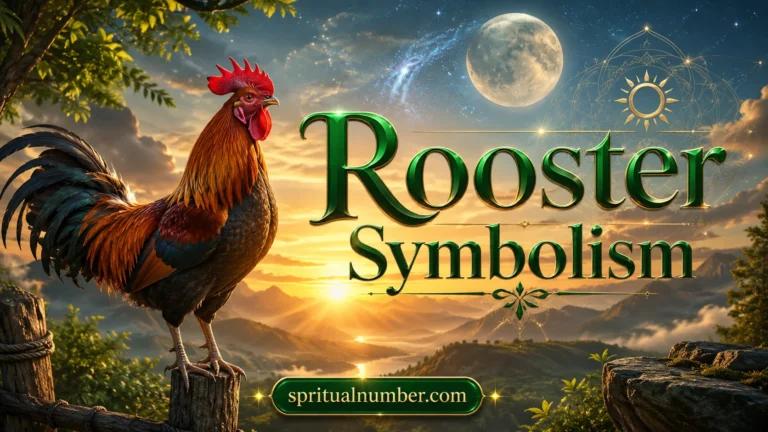
The Rooster Symbolism explores deep meaning across history and cultures worldwide. Its meaning, history, and cultural power reflect human connection with nature and time cycles. The rooster spiritual meaning often represents protection, courage, vigilance, and rising awareness each day.
At dawn, the rooster crowing signals sunrise, illumination, and transformation from darkness to light. It also symbolizes hope, renewal, new beginnings, and a powerful daily cycle timekeeper. Many cultures view it as a sacred guardian symbol of vigilance and awareness.
Across Japanese culture, Chinese culture, and Greek mythology, the rooster holds powerful symbolic roles. In Norse tradition, Celtic belief, and Nordic interpretation, it often signals protection and warning. Within Christianity symbolism, fertility symbolism, and agriculture symbolism, it represents resurrection and hope.
Mythology connects it to Apollo, Zeus, and Amaterasu as a solar messenger. It appears as omen, warning sign, and soul guide in ancient storytelling traditions. Today it remains a symbol of modern symbolism and cultural identity expression worldwide.
Also Read This: Mushroom Symbolism: Meaning, History, and Modern Culture
Quick Answer
Rooster Symbolism represents protection, courage, vigilance, and spiritual awakening, symbolizing the transition from darkness to light, new beginnings, and renewal. Across cultures and history, the rooster serves as a timeless emblem of hope, leadership, truth, and resilience, encouraging awareness, confidence, and purposeful living through each new day.
Overview of Rooster Symbolism
The rooster is widely recognized as a morning herald. Its image appears in farms, weather vanes, and cultural art across the world. In symbolism, it represents more than its physical behavior; it reflects human ideas about time, discipline, and awareness.
In the United States, the rooster is especially tied to rural life and traditional farming values. However, its meaning extends far beyond agriculture into emotional and cultural identity.
Key Symbolic Themes
• Awakening and sunrise energy
• Confidence and bold self-expression
• Protection against negativity
• Discipline and routine awareness
• Connection to natural cycles
What a Rooster Looks Like in Symbolic Context
The rooster’s appearance plays a major role in its symbolic meaning. Its bright colors, upright posture, and crowing stance all contribute to its powerful identity.
Visual Characteristics and Meaning
Roosters are often shown with red combs, sharp feathers, and strong posture. These features symbolize energy, alertness, and dominance. Their raised head suggests confidence and readiness.
Symbolic Design Elements
• Bright red comb representing vitality
• Upright stance showing dominance
• Spurred feet symbolizing defense
• Open beak representing communication
• Vibrant feathers showing life force
Core Meaning at a Glance
The rooster carries several central meanings that appear across cultures. These meanings remain consistent even when interpretations vary.
Main Symbolic Ideas
The rooster generally represents awakening, courage, and protection. It is often seen as a reminder to stay alert and aware of one’s surroundings.
• Signals new beginnings and fresh starts
• Represents boldness and self-assurance
• Encourages awareness of time and change
• Symbol of protection and watchfulness
Historical Origins of Rooster Symbolism
Rooster symbolism dates back thousands of years to early agricultural societies. Because roosters crow at dawn, they became natural timekeepers for human communities.
Ancient Agricultural Roots
Early farmers depended on roosters to mark the start of the day. Over time, this practical role evolved into symbolic meaning tied to life cycles and renewal.
Early Cultural Associations
In ancient civilizations, roosters were linked to sun deities and cosmic order. Their crowing was seen as a signal that darkness was ending.
• Used as natural time indicators in farming societies
• Associated with sunrise and solar energy
• Represented protection against night dangers
• Connected to cycles of life and renewal
Rooster in Mythology and Religion
The rooster appears in many religious and mythological traditions. It often represents vigilance, spiritual awareness, and divine timing.
Symbol in Ancient Beliefs
In several cultures, the rooster was believed to ward off evil spirits. Its morning crow was thought to drive away darkness both literally and spiritually.
Religious Symbolism
In some traditions, the rooster is linked to repentance, awakening of conscience, and truth.
| Context | Meaning in the USA | Common Associations | Notes |
| Christian symbolism | Vigilance and repentance | Peter’s denial story | Moral awakening |
| Folklore traditions | Protection from evil | Morning crowing | Night-ending symbol |
| Pagan roots | Solar connection | Sunrise energy | Life renewal |
| Rural beliefs | Timekeeping | Farming routine | Daily structure |
Rooster Symbolism in the United States
In American culture, the rooster is strongly tied to rural identity and traditional values. It represents hard work, early mornings, and resilience.
Cultural Meaning in America
The rooster is often seen as a symbol of honesty and straightforward living. It reflects a lifestyle connected to nature and discipline.
Modern American Interpretation
In today’s USA, it also appears in branding, décor, and artistic expression.
• Symbol of rural farming heritage
• Represents alertness and responsibility
• Used in rustic home decoration
• Common in country-style branding
• Associated with early rising and discipline
Rooster in American Folk Culture and Farming History
Farm life in the United States helped shape the rooster’s symbolic identity. Its daily crow marked the beginning of work and structure.
Role in Rural Communities
Roosters were essential on early American farms. They provided natural alarm clocks for laborers and families.
Folk Traditions
Over time, the rooster became a character in stories and folk art, representing honesty and simplicity.
• Morning alarm for farm workers
• Symbol of hardworking rural life
• Featured in barn art and weather vanes
• Associated with self-sufficiency
Cross-Cultural Meanings of the Rooster
While the rooster has strong American associations, its symbolism varies across cultures. However, many meanings overlap.
Global Interpretations
In several countries, the rooster represents protection, pride, and fortune. In others, it is a sign of honesty or vigilance.
• East Asia: luck and protection
• Europe: vigilance and courage
• Africa: community awareness
• Latin America: strength and masculinity
Spiritual and Religious Interpretations
Spiritually, the rooster is often seen as a messenger of awakening. It represents consciousness and awareness of inner truth.
Inner Meaning in Spiritual Thought
The rooster encourages people to “wake up” emotionally and mentally. It is linked to clarity and truth-seeking.
• Awakening of inner awareness
• Symbol of spiritual alertness
• Encourages honesty and truth
• Represents renewal of energy
Emotional and Psychological Associations
The rooster triggers strong emotional responses. It often symbolizes confidence, urgency, and clarity.
Psychological Symbolism
Because it announces the day, it can represent mental readiness and focus. It may also reflect leadership qualities.
• Confidence and assertiveness
• Motivation to take action
• Awareness of time and responsibility
• Leadership and independence
Rooster in Modern Usage (Tattoos, Decor, Media)
Today, rooster imagery appears in many creative forms. It is used for both aesthetic and symbolic reasons.
Popular Modern Expressions
Roosters are commonly featured in tattoos, often symbolizing pride or resilience. They also appear in home décor and rustic design themes.
• Tattoo symbol of strength and pride
• Farmhouse-style home decoration
• Logos for food and farming brands
• Artistic representations in paintings
• Symbol in sports mascots and identity
Misunderstandings, Controversies, and Misuse
While rooster symbolism is mostly positive, it can be misunderstood in modern contexts. Some uses strip it from its cultural or historical meaning.
Neutral but Important Considerations
In rare cases, rooster imagery may be used as a generic symbol without understanding its background. This can weaken its deeper meaning.
Cultural Sensitivity Notes
It is important to respect traditional meanings rather than reducing it to decoration alone.
• Sometimes used only as decorative motif
• Meaning may be lost in commercial branding
• Misinterpreted outside cultural context
• Can be oversimplified in modern design
How Rooster Symbolism Has Changed Over Time
The meaning of the rooster has shifted from survival tool to symbolic icon. However, many core ideas remain stable.
Evolution of Meaning
In ancient times, it was practical. Today, it is more emotional and cultural.
• From farm timekeeper to cultural symbol
• From survival tool to artistic icon
• From religious symbol to modern identity marker
• From local meaning to global recognition
FAQs
What is rooster symbolism and its core meaning?
The Rooster Symbolism reflects deep meaning rooted in nature, time, and human awareness. Its rooster spiritual meaning often represents protection, courage, vigilance, and rising awareness at every new day. Linked with dawn and sunrise, it symbolizes light over darkness, illumination, awakening, and powerful new beginnings in life’s journey. It also represents renewal, guidance, and emotional resilience through life transitions.
How do different cultures interpret rooster symbolism?
Across Japanese culture, Chinese culture, and Greek mythology, the rooster carries strong symbolic identity. In Norse tradition, Celtic belief, and Nordic interpretation, it appears as a guardian of truth and alertness. Within Christianity symbolism, agriculture symbolism, and the idea of a solar symbol, it connects to divine figures like Apollo, Amaterasu, and Zeus, representing power, life energy, and spiritual awareness across civilizations.
What does rooster crowing at dawn symbolize?
The act of crowing, especially rooster crowing, and the rooster at dawn represents a natural time symbolism linked to awareness and life cycles. It signals sunrise herald energy, acting as a timekeeper for the daily cycle of nature. This moment symbolizes awakening, alertness, guidance, illumination, and inner transformation from darkness into clarity and purpose.
Is the rooster a spiritual messenger or omen?
In many traditions, the rooster is seen as a sacred animal, guardian symbol, and spiritual guide. It is linked with omen, warning sign, soul guide, and afterlife messenger, including ideas of resurrection and rebirth. In Islam rooster reverence, Christianity symbolism, and beliefs about angel announcement, it represents divine communication, transformation, and the cycle of death and rebirth.
What does rooster symbolism mean in modern life and identity?
In modern interpretations, Rooster Symbolism reflects psychological symbolism, identity expression, and self-expression. It appears in tattoos, folklore storytelling, home décor, and USA cultural interpretation as a sign of strength and positivity. It represents hope symbol, change symbol, and the victory of light, encouraging confidence, resilience, and personal transformation in everyday life.
Conclusion
The Rooster Symbolism carries powerful meaning rooted in history and deep cultural power across civilizations. It reflects protection, courage, vigilance, and rising awareness with every dawn and sunrise, symbolizing awakening, new beginnings, and renewal. As a universal solar symbol, it connects to light over darkness, guiding transformation, hope, and resilience in human life. Across traditions like Japanese culture, Chinese culture, and Christianity symbolism, it represents divine guidance, truth, and spiritual strength. Overall, the rooster remains a timeless emblem of hope symbol, change symbol, and daily life illumination.

