

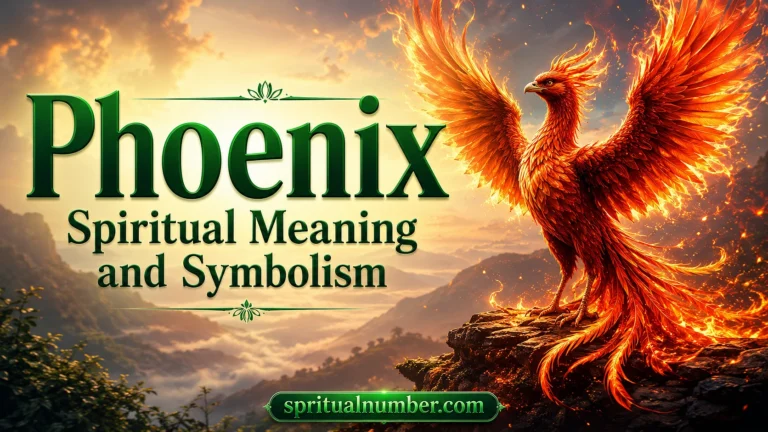
The phoenix spiritual meaning often centers on rebirth, renewal, and transformation after hardship. Across phoenix mythology, this mythical bird appears as a powerful firebird linked with rise from the ashes.
Its story reflects personal transformation, spiritual awakening, and the courage to begin again. Today, phoenix symbolism can represent resilience, strength, hope, and meaningful new beginnings.
The phoenix bird also carries deeper ideas about death and rebirth, spiritual growth, and inner transformation. Ancient traditions connected this timeless symbol with immortality, renewal, and the cycle of death and rebirth.
In modern life, its meaning often speaks to overcoming adversity, rebuilding, and personal reinvention. Understanding these layers reveals why the phoenix remains such an enduring symbol of human struggle and triumph.
Also Read This: Butterfly Spiritual Meaning and Symbolism Explained
Quick Answer
In phoenix spiritual meaning and symbolism, this mythical bird most often represents rebirth, resilience, and transformation in the United States. Broader traditions also connect it to immortality, renewal, and rising above hardship. The meaning centers on turning an ending into a new beginning.
TL;DR
- The phoenix symbolizes rebirth after hardship or loss.
- It represents resilience, strength, and personal transformation.
- Ancient cultures linked the phoenix to the sun and eternity.
- Egyptian and Greek myths shaped much of its symbolism.
- In the USA, it often signals a comeback or fresh start.
- Modern use includes tattoos, logos, and pop culture imagery.
What the Phoenix Symbol Actually Represents
Before exploring history, it helps to understand how the phoenix appears and why it feels so powerful. Most legends describe a large, fire colored bird with feathers of red, gold, and orange. Unlike ordinary birds, the phoenix is tied to a dramatic cycle of death and rebirth.
Its story usually follows a pattern. The bird lives a long life, bursts into flame or ash, and then rises again renewed.
How the Symbol Usually Appears
- A bird engulfed in bright flames or glowing embers.
- Ashes forming the base from which the bird rises.
- Wings spread wide, often mid flight or rising upward.
- Rich colors like crimson, gold, and deep orange.
Historical Roots and Ancient Beliefs About the Phoenix
Phoenix symbolism did not begin recently. It stretches back thousands of years, appearing in some of the earliest recorded myths in human history.
Ancient and Pre-Christian Roots
In ancient Egyptian belief, a sacred bird called the Bennu was closely tied to the sun god and the idea of eternal renewal. This early figure heavily influenced later phoenix legends across the Mediterranean world. In ancient Greece, writers described the phoenix as a rare bird that lived for centuries before renewing itself in fire.
Because these stories traveled across trade routes and cultures, the phoenix slowly became a shared symbol of immortality and cosmic order.
Spiritual and Symbolic Use
Later traditions layered even more meaning onto the phoenix. Some early Christian writers used the phoenix as a symbol of resurrection and eternal life. This shift shows how older mythology often blends into newer spiritual frameworks over time.
Phoenix Symbolism in the USA
While phoenix symbolism has ancient roots, it holds a distinct place in American culture today. Because the story centers on comebacks and reinvention, it fits naturally with American ideas about personal growth.
Everyday American Associations
In the United States, the phoenix is often linked to overcoming hardship and starting fresh. It also represents resilience after loss, whether personal, financial, or emotional. In addition, the symbol frequently appears in stories about recovery, healing, and second chances.
Phoenix in National and Cultural Life
Beyond personal meaning, the phoenix appears in American city names, sports teams, and business branding tied to comebacks. This widespread use keeps the symbol familiar, even for people unfamiliar with its ancient origins.
Cross-Cultural and Spiritual Perspectives
While this article focuses mainly on the USA, phoenix symbolism is not limited to one culture. Many traditions across the world share similar bird myths, even when specific details differ.
In Chinese tradition, the Fenghuang is a legendary bird often associated with harmony, virtue, and balance between forces. In Japanese tradition, a similar bird called the Ho-o represents peace and good fortune. Other spiritual paths view fire birds in general as messengers of renewal and transformation.
These views are shared respectfully here, without ranking one tradition above another. Readers are encouraged to explore any specific cultural or religious teaching that resonates with them personally.
Emotional and Psychological Associations
Beyond mythology, the phoenix carries a strong emotional pull for many people. Its story often mirrors deeply human experiences of struggle and recovery.
What the Phoenix Symbol Often Signals
- A need to rebuild after a painful ending.
- A reminder that setbacks are not permanent failures.
- A desire for personal transformation or reinvention.
- Renewed hope after a period of grief or loss.
Psychologically, symbols like the phoenix often act as mirrors for inner resilience. In other words, connecting with this image may reflect a personal need for hope, rather than a fixed outside message.
Phoenix Symbolism at a Glance
| Context | Common Meaning in the USA | Typical Emotional Association | Notes |
| Rising from ashes | Rebirth after hardship | Hope, renewal | Most recognized part of the myth |
| Flames or fire | Transformation, release | Intensity, courage | Fire represents change, not destruction |
| Wings spread wide | Freedom, moving forward | Confidence, momentum | Common in tattoo and art designs |
| Phoenix tattoo | Personal comeback story | Strength, pride | Popular after major life changes |
| Phoenix in branding | Recovery, reinvention | Resilience, ambition | Used across business and sports names |
Modern Usage: Tattoos, Branding, and Pop Culture
Phoenix symbolism has expanded well beyond ancient mythology. Today, it shows up in casual and creative spaces across American life.
Where You Might See It Today
- Phoenix tattoos marking recovery, grief, or personal growth.
- Sports team names inspired by comeback energy.
- Business branding tied to renewal and second chances.
- Social media posts about healing and starting over.
Interestingly, phoenix imagery often appears during major personal milestones rather than casual posts. Because of this, the symbol still feels meaningful, even in a fast moving digital world.
Misunderstandings and Controversies
As with many spiritual symbols, some confusion exists around phoenix meaning. Understanding this helps readers avoid mixing up ideas that are not accurate.
Where Confusion Often Starts
One common misunderstanding involves treating the phoenix as a real historical creature rather than a mythological one. Another point of confusion comes from blending different cultural bird myths together, even though each tradition has its own distinct story and meaning.
It also helps to separate the symbolic meaning from casual pop culture use. Not every fire bird reference carries deep spiritual weight.
How Phoenix Symbolism Has Shifted Over Time
Meaning connected to symbols rarely stays completely fixed. Instead, it evolves slowly as culture and storytelling styles change.
From Sacred Myth to Personal Symbol
In earlier centuries, the phoenix was closely tied to sacred religious and cosmic themes. Today, especially in self growth and wellness spaces, the phoenix is embraced as a personal symbol of resilience. This shift mirrors a larger pattern in modern culture, which often favors personal empowerment over strict mythology.
When It’s Simply a Story, Not a Sign
It is worth saying clearly that not every phoenix reference needs a hidden message. Sometimes the image is simply admired for its beauty or dramatic story. If you prefer a straightforward explanation, that view is equally valid.
Choosing a spiritual interpretation does not require rejecting the simpler one. Many people hold both views at once, appreciating the myth while also connecting with its deeper symbolism.
How to Reflect on Phoenix Symbolism
If you want to explore what the phoenix might mean for you personally, a few simple questions can help guide that reflection.
- What recent ending are you learning to accept?
- Is there a fresh start you have been avoiding?
- Does this symbol appear during a season of change?
- What would rising renewed actually look like for you?
There are no required answers here. The goal is gentle reflection, not a strict prediction about the future.
FAQs
What Does the Phoenix Spiritual Meaning Represent?
The phoenix spiritual meaning represents rebirth, renewal, transformation, and spiritual growth after hardship. It often symbolizes resilience, hope, and the strength to begin again.
What Does a Phoenix Symbolize Spiritually?
A phoenix symbolizes rise from the ashes, personal transformation, and spiritual awakening. Its story reflects death and rebirth, renewal, and overcoming adversity.
What Is the Phoenix Rising Symbolism?
Phoenix rising symbolism represents fresh beginnings, personal reinvention, and rebuilding after difficult endings. It reminds people that adversity can become a catalyst for growth.
What Is the Phoenix Biblical Meaning?
The phoenix biblical meaning is often connected with resurrection, renewal, and eternal life, although the phoenix is not a central biblical symbol. Christian interpretations commonly focus on themes of death and renewal.
Why Is the Phoenix a Symbol of Rebirth?
The phoenix bird is traditionally said to rise from its ashes, making it a powerful rebirth symbol. Its cycle represents renewal after destruction, resilience, and transformation through adversity.
Conclusion
The phoenix spiritual meaning reflects rebirth, renewal, and transformation through life’s hardest seasons. As a timeless symbol, the phoenix represents resilience, hope, spiritual growth, and the courage to rise from the ashes. Its enduring story reminds us that personal transformation can emerge from adversity, bringing fresh strength, purpose, and meaningful new beginnings.

