

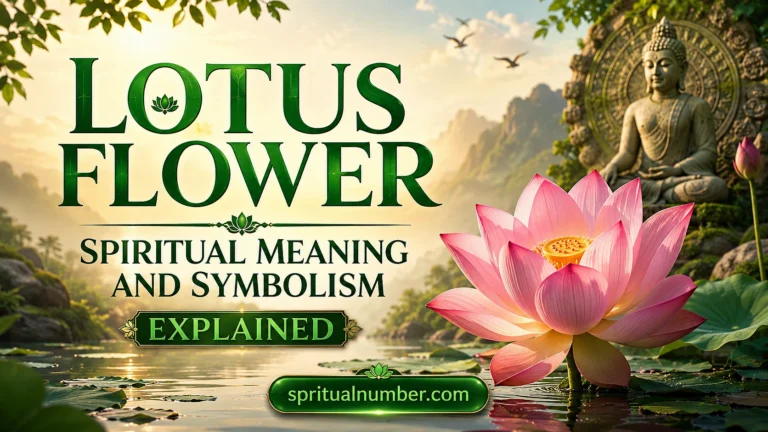
The lotus spiritual meaning reveals timeless lotus symbolism through remarkable lotus flower meaning and enduring lotus flower symbolism. This sacred lotus represents purity, spiritual awakening, resilience, enlightenment, and lasting inner peace.
Its remarkable bloom from muddy water reflects transformation, personal growth, rebirth, self realization, grace, and strength. These powerful symbolic meanings inspire spiritual seekers embracing every meaningful spiritual journey with confidence and hope.
Across Buddhism, Hinduism, ancient Egypt, Japan, Laos, and Sri Lanka, this sacred flower carries profound cultural symbolism. It reflects wisdom, compassion, balance, body mind spirit, chakras, meditation, mindfulness, and lasting wellness.
Many people admire its beauty, graceful beauty, pristine petals, and rising above challenges as meaningful life lessons. This guide explores symbolism explained, symbolism across cultures, historical significance, cultural heritage, hope, renewal, faith, harmony, and healing.
Also Read This: Peacock Crosses Your Path? Spiritual Meaning and Symbolism
Quick Answer
In lotus spiritual meaning and symbolism, this flower most often represents purity, resilience, and personal growth in the United States. Broader traditions also connect it to spiritual awakening, enlightenment, and rising above hardship. The meaning centers on emerging stronger after difficulty.
TL;DR
- The lotus symbolizes purity, resilience, and rebirth.
- It rises clean from muddy water each morning.
- Ancient Egypt linked the lotus to creation and the sun.
- Buddhism and Hinduism connect it to enlightenment.
- In the USA, it represents wellness and personal growth.
- Modern use includes tattoos, yoga, and home decor.
What the Lotus Symbol Actually Represents
Before exploring history, it helps to understand how the lotus appears and why it feels so symbolic. The lotus grows in ponds and slow rivers, with its roots settled deep in mud. Despite this muddy start, the flower blooms clean and untouched above the water each morning.
Its daily cycle also adds meaning. The lotus closes at night and reopens at dawn, which many see as a symbol of renewal.
How the Symbol Usually Appears
- A lotus flower blooming above murky or muddy water.
- Petals opening slowly, as if awakening at sunrise.
- White, pink, or blue coloring depending on region.
- Lotus imagery paired with meditation or seated postures.
Historical Roots and Ancient Beliefs About the Lotus
Lotus symbolism did not begin recently. It stretches back thousands of years, appearing in some of the earliest recorded civilizations.
Ancient and Pre-Christian Roots
In ancient Egypt, the lotus was closely tied to the sun god Ra and represented creation itself. Because the flower opened at dawn and closed at dusk, it mirrored the sun’s daily journey. This connection made the lotus a lasting symbol of rebirth and renewal.
The Egyptians also used both white and blue lotus varieties in temples and tombs. These flowers appeared often in artwork honoring gods tied to healing, rebirth, and the afterlife.
Spiritual and Religious Use
Later, the lotus became deeply significant in both Hinduism and Buddhism. In Hinduism, it is associated with several deities, including Lakshmi and Vishnu, who are often shown seated on the flower. In Buddhism, the lotus represents the path toward enlightenment, since it rises clean from muddy conditions.
This shared symbolism across religions helped the lotus travel far beyond its original region.
Lotus Symbolism in the USA
While lotus symbolism has ancient roots, it holds a distinct place in modern American life. Because wellness culture has grown rapidly, the lotus feels familiar even outside its original traditions.
Everyday American Associations
In the United States, the lotus is strongly linked to yoga, mindfulness, and personal healing. It also represents overcoming hardship, especially during recovery or major life change. In addition, the lotus often appears in décor meant to encourage calm and balance.
Lotus in National and Cultural Life
Beyond personal wellness, the lotus frequently appears in American spa branding, meditation apps, and self-help content. Wellness communities often use it as a visual shorthand for growth and inner peace. This steady presence has helped the symbol stay culturally relevant for decades.
Cross-Cultural and Spiritual Perspectives
While this article focuses mainly on the USA, lotus symbolism reaches far beyond one country. Many traditions across Asia and beyond share deep respect for this flower.
In Hindu tradition, the lotus represents divine beauty, purity, and spiritual power. In Buddhist tradition, it symbolizes the soul’s journey from suffering toward clarity and peace. In parts of Chinese culture, the lotus also represents harmony and grace within nature.
These views are shared respectfully here, without ranking one tradition above another. Readers are encouraged to explore any specific cultural or religious teaching that resonates with them personally.
Emotional and Psychological Associations
Beyond religious history, the lotus carries a strong emotional pull for many people. Its journey from mud to bloom often mirrors real personal experiences.
What the Lotus Symbol Often Signals
- A reminder that growth can follow difficult experiences.
- A desire for emotional clarity after a hard season.
- A sense of calm connected to mindfulness practice.
- A quiet hope for renewal after setbacks.
Psychologically, symbols like the lotus often act as encouragement. In other words, connecting with this flower may reflect a personal need for hope, rather than a fixed outside message.
Lotus Color Meanings at a Glance
| Lotus Color | Common Meaning in the USA | Typical Emotional Association | Notes |
| White | Purity, spiritual clarity | Calm, renewal | Most recognized color |
| Pink | Enlightenment, devotion | Compassion, warmth | Often linked to Buddhist tradition |
| Blue | Wisdom, focus | Clarity, insight | Historically tied to ancient Egypt |
| Red | Passion, heart connection | Love, vitality | Less common, still meaningful |
| Purple | Mysticism, higher awareness | Reflection, depth | Associated with deeper spirituality |
Modern Usage: Tattoos, Yoga, and Home Decor
Lotus symbolism has expanded well beyond religious settings. Today, it shows up in casual and creative spaces across American life.
Where You Might See It Today
- Lotus tattoos representing personal growth or resilience.
- Yoga studio branding featuring lotus imagery.
- Home decor items symbolizing calm and balance.
- Social media posts about healing and self-discovery.
Interestingly, lotus imagery often appears during personal transitions rather than casual design choices. Because of this, the symbol still feels meaningful, even in a fast-moving digital world.
Misunderstandings and Controversies
As with many spiritual symbols, some confusion exists around lotus meaning. Understanding this helps readers avoid mixing up ideas that are not accurate.
Where Confusion Often Starts
One common misunderstanding involves treating the lotus as a single fixed symbol with only one meaning. In reality, meaning shifts depending on color, culture, and context. Another point of confusion involves borrowing lotus imagery without understanding its religious weight in Hindu or Buddhist tradition.
It also helps to separate casual decorative use from deeper spiritual practice. Both can coexist respectfully with a little awareness.
How Lotus Symbolism Has Shifted Over Time
Meaning connected to symbols rarely stays completely fixed. Instead, it evolves slowly as culture and communication styles change.
From Sacred Ritual to Everyday Wellness
In earlier centuries, lotus symbolism was closely tied to formal religious ritual and mythology. Today, especially in Western wellness spaces, the meaning has become more personal and motivational. This shift mirrors a larger pattern in modern spirituality, which often favors self-growth over strict doctrine.
When It’s Simply a Flower, Not a Sign
It is worth saying clearly that not every lotus image needs a hidden message. Sometimes a lotus is simply admired for its beauty or used in decor. If you prefer a practical explanation, that view is equally valid.
Choosing a spiritual interpretation does not require rejecting the natural one. Many people hold both views at once, enjoying the flower while also reflecting on its symbolism.
How to Reflect on Lotus Symbolism
If you want to explore what the lotus might mean for you personally, a few simple questions can help guide that reflection.
- What difficulty have you recently grown through?
- Are you searching for more clarity or calm?
- Does this symbol appear during a personal transition?
- What would blooming clearly look like for you?
There are no required answers here. The goal is gentle reflection, not a strict prediction about the future.
FAQs
What is the lotus spiritual meaning and why is it important?
The lotus spiritual meaning reflects purity, spiritual awakening, enlightenment, inner peace, and transformation. It reminds people that rising above challenges leads to personal growth, hope, and lasting wisdom.
Why is the sacred lotus a powerful symbol in different cultures?
The sacred lotus holds deep cultural symbolism across Buddhism, Hinduism, ancient Egypt, Japan, Laos, and Sri Lanka. Its symbolism across cultures represents faith, renewal, harmony, and rich cultural heritage.
What does the lotus flower meaning teach about life?
The lotus flower meaning shows how a flower can bloom from muddy water, symbolizing resilience, rebirth, strength, and self realization. These timeless life lessons encourage compassion, balance, and steady spiritual journey.
How is lotus flower symbolism connected to meditation and wellness?
Lotus flower symbolism is closely linked with chakras, meditation, mindfulness, wellness, and body mind spirit. It inspires calm thinking, emotional healing, and greater inner peace in everyday life.
Why is the lotus considered a universal spiritual symbol?
The lotus is admired as a universal symbol because its pristine petals emerge beautifully despite difficult conditions. This enduring image reflects lotus symbolism, path to enlightenment, resilience through adversity, and lasting symbolic meanings.
Conclusion
In the end, lotus spiritual meaning reminds us that true lotus symbolism grows through purity, spiritual awakening, resilience, transformation, and inner peace. The timeless lotus flower meaning encourages personal growth, rebirth, wisdom, and rising above challenges, making the sacred lotus a lasting source of hope, healing, harmony, and meaningful symbolism across cultures for every spiritual journey.

