
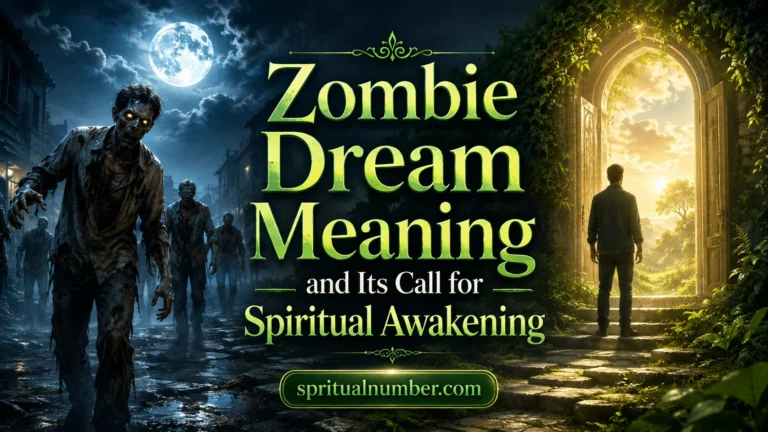
Dreams can feel intense and deeply personal, especially when they involve disturbing symbols like the undead. Understanding zombie dream meaning often reveals powerful subconscious messages linked to emotional exhaustion, spiritual disconnection, and a deep loss of identity. These unsettling dreams are not random but reflect hidden anxieties, modern fears, and the weight of a lifeless routine or controlled life.
Many people experiencing a zombie nightmare are actually facing burnout, emotional numbness, or external pressure in their waking life. Through dream interpretation, these symbolic dreams become a mirror of psychological layers, showing unresolved issues, overwhelming feelings, and a growing need for self discovery and inner transformation.
At a deeper level, these vivid dreams act as a renewal message, pushing you toward spiritual awakening and personal rebirth. They highlight energy drain, toxic attachments, and broken boundaries that block soul alignment and create emotional detachment. Such apocalyptic dreams and recurring dreams often signal fear of change, unknown fears, and a struggle with purposeless living or autopilot living.
By exploring this dream imagery through a dream analysis framework, you begin releasing past identity, reclaim purpose, and move toward inner healing and emotional freedom. These transformation signs guide you to awaken spirit, reconnect with your higher self, and embrace new beginnings filled with clarity seeking, inner peace, and spiritual truth.
Also read this: Giant Spider Dream Meaning Revealing Hidden Biblical Warnings
What Is a Zombie Dream? Symbol and Visual Meaning
This section explains how zombie imagery appears in dreams and why those visuals matter symbolically. For American readers, these images often come directly from pop culture but carry deeper psychological meaning.
How Zombies Typically Appear in Dreams
Zombie dreams share recognizable traits because cultural imagery is widely shared.
• Slow-moving or chasing figures creating urgency or pressure
• Pale or decaying bodies symbolizing loss of vitality
• Crowds of zombies representing social overwhelm
• Familiar people acting like zombies, suggesting emotional distance
• Survival or escape scenarios reflecting personal stress
The details matter. For example, running away may symbolize avoidance, while fighting zombies can signal confronting change.
Why the Brain Uses Zombie Imagery
Dreams often use dramatic symbols to express subtle emotions. Zombies work well because they combine fear, familiarity, and transformation.
In psychological terms, zombies represent life without awareness. Therefore, the dream may highlight routines or relationships that feel empty or automatic.
Historical Origins of Zombie Symbolism
To understand modern interpretations, it helps to look at where zombie symbolism began and how meanings evolved over centuries.
Ancient and Pre-Modern Roots
Although modern zombies seem cinematic, their symbolic roots are older.
• Caribbean folklore described reanimated bodies lacking free will
• Early stories explored fear of losing autonomy or identity
• Mythic traditions worldwide included restless or undead figures
• Ancient cultures used “living dead” imagery to discuss morality
Originally, these stories reflected social anxieties about control, labor, and spiritual imbalance rather than monsters.
Transformation Through the 20th Century
In the United States, zombie symbolism changed dramatically during the 1900s. Films and literature reshaped zombies into metaphors for society itself.
By the late twentieth century, zombies became symbols of consumer culture, conformity, and mass behavior. This shift strongly influences how Americans interpret zombie dreams today.
Spiritual Meaning of Zombie Dreams
Many people interpret zombie dreams as spiritual messages. This section explores why such dreams are often linked with awakening or inner change.
Awakening From Emotional “Sleep”
Spiritually, zombies symbolize unconscious living. The dream suggests awareness is trying to emerge.
• Feeling stuck in repetitive life patterns
• Ignoring inner needs or personal values
• Emotional burnout masking deeper purpose
• Desire for renewal or personal growth
Rather than punishment, the dream acts like an alarm clock.
Death and Rebirth Symbolism
Across spiritual traditions, symbolic death often precedes transformation. Zombies embody the space between endings and beginnings.
The dream may appear during career transitions, relationship changes, or identity shifts. Therefore, the fear within the dream can represent growth rather than loss.
Zombie Dreams in American Culture
In the USA, zombie symbolism carries unique meanings shaped by entertainment, social concerns, and national storytelling traditions.
Influence of American Media
American movies and television strongly shape dream imagery.
• Survival stories emphasize resilience and independence
• Apocalypse themes mirror cultural anxiety about uncertainty
• Group survival reflects community versus isolation themes
• Hero narratives highlight personal responsibility
Because Americans grow up surrounded by zombie media, the subconscious uses familiar images to express modern stress.
Meaning in Everyday American Life
Today, zombie symbolism often connects to lifestyle pressures.
| Context | Meaning in the USA | Common Associations | Notes |
| Work stress | Feeling burned out | Long hours, routine | “Zombie mode” slang |
| Social media overload | Emotional numbness | Endless scrolling | Mental fatigue symbolism |
| Consumer culture | Living automatically | Shopping, repetition | Cultural critique theme |
| Pandemic-era anxiety | Loss of control | Isolation fears | Collective stress memory |
| Personal change | Awakening moment | Self-reflection | Growth interpretation |
Psychological Meaning of Zombie Dreams
Psychology offers another lens. Dreams often reflect emotional processing rather than supernatural messages.
Emotional Signals Behind the Dream
Zombie dreams frequently appear during stress or transition.
• Feeling disconnected from daily life
• Fear of losing individuality
• Emotional exhaustion or burnout
• Anxiety about social expectations
• Suppressed anger or frustration
The zombie becomes a symbol for parts of the self that feel drained.
The Shadow Self Concept
Psychologically, zombies can represent ignored emotions. When feelings are avoided, they appear symbolically in dreams.
Instead of monsters, zombies may symbolize neglected needs asking for attention.
Cross-Cultural Spiritual Interpretations
Although American culture dominates modern imagery, other traditions offer complementary meanings.
Shared Global Themes
Many cultures associate undead imagery with imbalance between body and spirit.
• Spiritual disconnection or loss of purpose
• Warning against living without awareness
• Transition between life stages
• Moral or emotional awakening
Despite cultural differences, the central theme remains transformation.
Respectful Cultural Context
It’s important to recognize that original zombie folklore carried religious and historical significance. Modern entertainment interpretations differ from traditional meanings and should not replace them.
Common Zombie Dream Scenarios and Their Meanings
Specific dream actions often change interpretation.
Being Chased by Zombies
• Avoiding a difficult decision
• Fear of overwhelming responsibilities
• Anxiety catching up emotionally
Becoming a Zombie
• Loss of motivation or identity concerns
• Feeling controlled by routine
• Need for emotional reconnection
Fighting Zombies
• Active personal growth
• Facing fears directly
• Reclaiming personal power
Context and emotions during the dream matter more than plot details.
Emotional Messages Hidden in Zombie Dreams
Zombie dreams often mirror emotional states rather than external threats.
Feelings Commonly Connected to These Dreams
• Overwhelm from constant responsibilities
• Loneliness despite social connection
• Desire for deeper meaning
• Fear of change mixed with curiosity
Because emotions drive dreams, understanding feelings after waking is key to interpretation.
Modern Uses of Zombie Symbolism in the USA
Zombie imagery has expanded far beyond horror stories.
Pop Culture and Identity Expression
• Halloween costumes representing playful fear
• Tattoos symbolizing survival or transformation
• Video games exploring cooperation and resilience
• Internet humor about exhaustion and modern life
Today, calling oneself a “zombie” often means being tired or mentally drained.
Social Media Symbolism
Online culture uses zombies metaphorically to describe burnout or information overload. As a result, dreams increasingly borrow these symbolic meanings.
Misunderstandings and Controversies Around Zombie Symbolism
Like many symbols, zombie imagery carries complicated interpretations.
Common Misinterpretations
• Assuming dreams predict disasters
• Viewing zombies only as negative symbols
• Ignoring emotional context of the dream
In reality, many interpretations are neutral or growth-oriented.
Cultural Sensitivity
Some scholars note that early zombie stories came from real historical experiences tied to oppression. Modern portrayals sometimes overlook this origin. Understanding history helps keep interpretations respectful.
How Zombie Dream Meaning Has Changed Over Time
Symbolism evolves alongside society.
Earlier Interpretations
• Fear of supernatural punishment
• Loss of soul or moral failure
• Religious warnings about behavior
Modern Interpretations (2025–2026)
Today, interpretations focus more on mental health and awareness.
• Burnout and productivity culture
• Identity exploration
• Emotional awakening
• Personal transformation journeys
The meaning shifted from external fear to internal reflection.
FAQs
What does zombie dream meaning indicate?
It often reflects subconscious messages linked to emotional exhaustion and spiritual disconnection. These symbolic dreams may reveal loss of identity and hidden inner stress, best understood through dream interpretation for deeper awareness.
Why do recurring zombie dreams happen?
They are often recurring dreams shaped by strong psychological messages connected to burnout, energy drain, and a lifeless routine or controlled life. This pattern signals ongoing mental or emotional overload that needs attention.
What is the spiritual meaning behind zombie dreams?
They can signal spiritual awakening, guiding inner transformation toward your higher self and stronger soul alignment. These dreams often encourage inner healing and a shift toward emotional and spiritual balance.
How do zombie dreams relate to emotional states?
They commonly reflect emotional numbness, fear of change, and modern fears, sometimes appearing as apocalyptic dreams during stressful life phases. This shows the mind processing pressure and overwhelming emotional weight.
How should you respond to zombie dreams?
Focus on inner healing, reclaim purpose, and align with your spiritual truth for lasting change. This approach supports inner peace, awakening spirit, and deeper self discovery in daily life.
Conclusion
The zombie dream meaning reveals deep subconscious messages tied to emotional exhaustion, spiritual disconnection, and energy drain, often reflecting a lifeless routine and fear of change in waking life. These symbolic signals guide you toward inner transformation, helping you move beyond burnout and emotional overwhelm into greater awareness. Through self discovery and inner healing, the mind pushes you toward spiritual awakening, reconnecting you with your higher self and restoring balance. Ultimately, these dreams encourage reclaim purpose, spiritual truth, and inner peace, opening the path to new beginnings and lasting emotional clarity.

