
Dreams often reveal deeper truths, and just like powerful animals, symbolic imagery in waking life can carry equally intense meaning. The poison tree tattoo meaning stands out as one of the most emotionally rich and thought provoking forms of symbolic body art, rooted in literary symbolism and human psychology.
Inspired by the William Blake poem and widely interpreted through A Poison Tree poem meaning, this design reflects hidden emotions, suppressed anger, and the quiet buildup of toxic emotions that shape our inner world. In American tattoo culture, such poetry inspired tattoos are not just visual choices but forms of emotional storytelling tattoos, capturing unspoken feelings, emotional repression, and the weight of personal struggles that often go unseen.
At a deeper level, the poison tree symbolism connects to psychological symbolism and emotional layers, representing inner conflict, hidden pain, and the consequences of emotional secrecy. Through elements like twisted tree tattoo, dark branches tattoo, and toxic fruit imagery, this artistic tattoo design becomes a powerful visual metaphor tattoo of destructive patterns, betrayal symbolism, and revenge symbolism.
Yet, it also reflects emotional growth, healing journey, and personal transformation, encouraging letting go of negativity and embracing emotional honesty. With its layered symbolism, universal themes, and strong ties to identity expression tattoos, this design continues to resonate as a meaningful form of tattoo storytelling, blending traditional symbolism with a modern tattoo meaning that speaks to real life interpretations and inner courage awakening.
Also read this : Flood In Dream Meaning Guiding You Toward Faith and Growth
What Is a Poison Tree Tattoo?
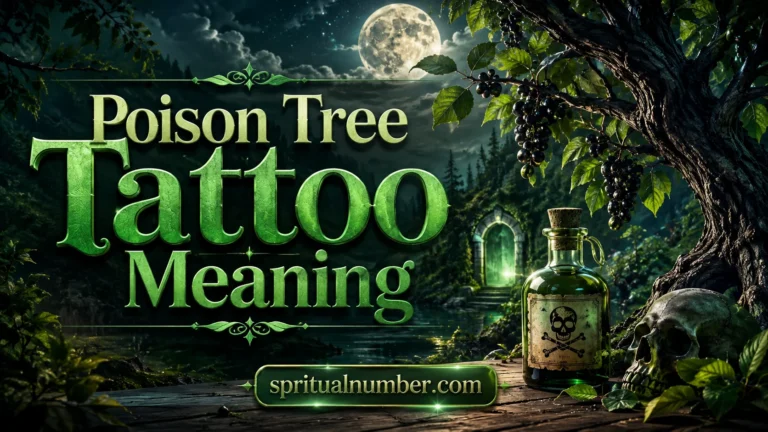
A poison tree tattoo typically shows a tree that appears dark, twisted, or unnatural. It may include unusual elements like glowing fruit, black roots, or sharp branches.
Visual Elements and Design
The design often reflects emotional themes through imagery:
• Dark or shadowy branches showing inner conflict
• Roots spreading deeply to symbolize buried feelings
• Fruit representing consequences of hidden emotions
• Withered leaves suggesting emotional decay
• Contrasting light and dark areas showing duality
Because tattoos are personal, each design tells a slightly different story.
Core Meaning at a Glance
Most poison tree tattoos connect to a few key ideas:
• Suppressed anger growing over time
• Emotional pain that was never expressed
• Personal transformation after hardship
These meanings make the symbol both intense and deeply relatable.
Historical Origins of the Poison Tree Symbol
Understanding the origin helps explain why this symbol still feels meaningful today. Its roots are both literary and symbolic.
Literary Background
The concept comes from a famous poem by William Blake, written in the late 1700s. The poem describes anger that grows into something harmful when not expressed.
• Anger hidden instead of shared
• Emotional buildup turning destructive
• Consequences symbolized as poisoned fruit
• Moral lesson about honesty and communication
This story still shapes how people interpret the symbol today.
Ancient Symbolism of Trees
Even before literature, trees carried deep meaning:
• Trees often symbolized life, wisdom, and connection
• Roots represented the past or subconscious mind
• Fruits symbolized outcomes or consequences
• Diseased trees showed imbalance or emotional harm
The poison tree builds on these older meanings but adds a darker twist.
Poison Tree Tattoo Meaning in the USA
In American culture, tattoos are often used for personal storytelling. Because of this, poison tree tattoos usually reflect individual emotional journeys.
Cultural Context in the United States
Several cultural ideas influence its meaning:
• Strong focus on emotional awareness and healing
• Popularity of therapy and self-reflection
• Value placed on authenticity and honesty
• Use of tattoos as personal identity markers
Because of these factors, the symbol feels especially relevant today.
Common Interpretations in Everyday Life
| Context | Meaning in the USA | Common Associations | Notes |
| Personal growth | Healing from past anger | Therapy, self-reflection | Positive transformation |
| Relationships | Hidden resentment | Conflict, communication | Emotional awareness |
| Identity | Accepting darker emotions | Self-honesty | Psychological depth |
| Creativity | Expressing inner struggles | Art, writing | Symbolic storytelling |
| Life challenges | Consequences of silence | Regret, lessons learned | Reflective meaning |
This table shows how meaning shifts depending on personal experience.
Spiritual and Cross-Cultural Meanings
While the poison tree is mainly known through Western literature, similar ideas appear across cultures.
Shared Symbolic Themes
Different traditions reflect related concepts:
• Emotional imbalance leading to harm
• Inner negativity affecting outward life
• Growth shaped by thoughts and actions
• The need for emotional honesty
Although not always called a “poison tree,” the idea exists widely.
Broader Interpretations
In spiritual contexts, the symbol may represent:
• Karma or consequences of actions
• Inner shadow or hidden self
• Transformation through awareness
Despite cultural differences, the theme of emotional truth remains consistent.
Psychological Meaning of a Poison Tree Tattoo
From a psychological view, the poison tree reflects how emotions behave when ignored.
Emotional Signals Behind the Symbol
People may choose this tattoo when they’ve experienced:
• Long-term suppressed anger
• Unresolved conflict or resentment
• Emotional pain that wasn’t expressed
• Personal growth after hardship
The tattoo becomes a reminder of what happens when emotions are hidden.
Growth vs. Destruction
Interestingly, the symbol is not only negative:
• It warns against emotional suppression
• It encourages honest communication
• It reflects learning from past mistakes
So, it’s both a caution and a symbol of growth.
Poison Tree Tattoo Meaning in Relationships
Relationships are one of the most common contexts for this symbol.
What It Can Represent
In relationships, the poison tree often symbolizes:
• Unspoken resentment building over time
• Miscommunication leading to emotional distance
• The importance of honesty and openness
• Lessons learned from past relationships
Because relationships involve emotions, the symbol feels very personal.
Popular Poison Tree Tattoo Designs and Variations
Design choices can change the meaning significantly.
Common Design Styles
• Realistic dark tree with twisted branches
• Minimalist outline focusing on roots
• Tree with glowing or dripping fruit
• Split design showing healthy vs. poisoned tree
Each variation highlights a different emotional message.
Color Symbolism
Colors also add meaning:
• Black → mystery, pain, or depth
• Red → anger, passion, or intensity
• Green → growth or healing contrast
• Purple → transformation or reflection
Even small color changes can shift interpretation.
Emotional and Personal Associations
This tattoo often connects deeply to personal identity.
Feelings Linked to the Symbol
• Regret over past silence
• Strength gained from emotional growth
• Awareness of personal flaws
• Desire for honesty and healing
Because of this, the tattoo is often meaningful rather than decorative.
Modern Usage in Tattoos and Pop Culture
Today, poison tree tattoos are part of a broader trend of symbolic body art.
Why It’s Popular Today
• Rise of mental health awareness
• Focus on emotional authenticity
• Growth of storytelling through tattoos
• Influence of literature and art
People want tattoos that reflect their inner world.
Where You Might See It
• Personal tattoo designs
• Art and illustration
• Creative writing themes
• Social media symbolism discussions
It’s not mainstream, but it’s deeply meaningful.
Misunderstandings and Controversies
Like many symbols, the poison tree can be misinterpreted.
Common Misunderstandings
• It only represents negativity
• It means harmful intent
• It’s purely dark or aggressive
In reality, it often represents awareness and growth.
Why Confusion Happens
• The word “poison” sounds extreme
• Dark imagery can feel intimidating
• Lack of understanding of its origin
Context always matters when interpreting symbolism.
How the Meaning Has Evolved Over Time
The poison tree has changed meaning as culture evolved.
Then vs. Now
• Originally → moral lesson about anger
• Early modern → literary symbolism
• Today → emotional and psychological meaning
Modern interpretations are more personal and less moralistic.
When People Choose a Poison Tree Tattoo
Timing often reflects life experiences.
Common Reasons
• After ending a difficult relationship
• During personal healing or therapy
• As a reminder to express emotions
• To symbolize growth after pain
The tattoo often marks a turning point.
FAQs
What is the poison tree tattoo meaning and why is it so popular?
The poison tree tattoo meaning reflects hidden emotions, suppressed anger, and unspoken feelings that grow into toxic emotions over time. It is popular in American tattoo culture as a form of symbolic body art that expresses personal struggles, emotional burden, and deep tattoo symbolism.
How does poison tree symbolism connect to emotional and psychological themes?
The poison tree symbolism is rooted in psychological symbolism, showing emotional repression, inner conflict, and hidden pain. It represents anger symbolism, rage symbolism, and emotional secrecy, revealing the impact of internal damage symbolism and unresolved emotional layers.
What is the connection between the William Blake poem and poison tree tattoos?
The design is inspired by the William Blake poem, with A Poison Tree poem meaning highlighting revenge symbolism, wrath symbolism, and silence symbolism. These poetry inspired tattoos turn literary symbolism into emotional storytelling tattoos that reflect moral reflection and consequences symbolism.
Do poison tree tattoos represent growth or negativity?
They reflect both negative growth symbolism and transformation symbolism, showing how destructive patterns and toxic emotions can evolve into emotional growth. This dual meaning connects to duality symbolism, self healing symbolism, and the journey of letting go of negativity.
What do design elements like branches and fruit symbolize in these tattoos?
Elements like twisted tree tattoo, dark branches tattoo, and toxic fruit imagery act as visual metaphor tattoos for betrayal symbolism, danger symbolism, and warning symbolism. They highlight symbolic roots meaning, symbolic branches meaning, and deeper tattoo art meaning tied to identity expression tattoos and real life interpretations.
Conclusion
The poison tree tattoo meaning captures a powerful blend of poison tree symbolism, hidden emotions, and suppressed anger, turning deeply personal experiences into meaningful symbolic body art. Rooted in literary symbolism from the William Blake poem and A Poison Tree poem meaning, it reflects psychological symbolism, inner conflict, and the weight of toxic emotions while also pointing toward emotional growth and personal transformation.
Through rich visual metaphor tattoos like twisted tree tattoo and toxic fruit imagery, it reveals destructive patterns, betrayal symbolism, and important life lessons tattoos. At the same time, it encourages letting go of negativity, embracing emotional honesty, and finding strength in self healing symbolism and inner courage awakening. This balance of darkness and growth makes it a timeless form of tattoo storytelling with deep modern tattoo meaning and lasting emotional impact.

